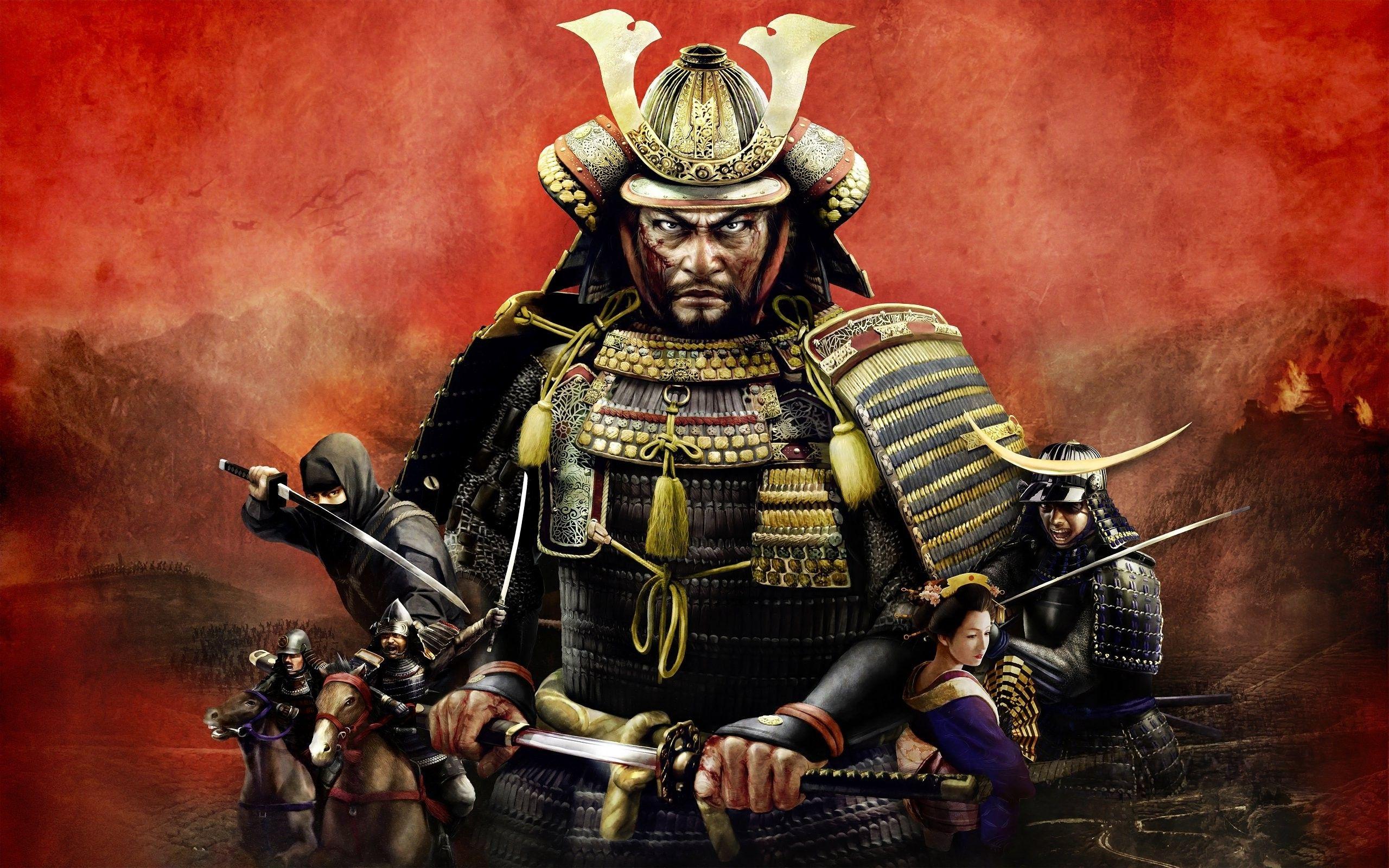
Samurai existed from the late 12th century until their abolition in the late 1870s during the meiji era The samurai, a class of highly skilled warriors, played a pivotal role in shaping japan’s history and culture [1] they were originally provincial warriors who served the kuge and imperial court in the late 12th century
Samurai | Meaning, History, & Facts | Britannica
Samurai, member of the japanese warrior caste
The term samurai was originally used to denote the aristocratic warriors, but it came to apply to all the members of the warrior class that rose to power in the 12th century and dominated the japanese government until the meiji restoration in 1868.
The age of the samurai was over The legacy of the samurai, however, remains culturally significant throughout japan, and has also achieved iconic status in the west, not only in martial arts but also more broadly in popular culture, seen in movies, literature, video games, and more. As servants of the daimyos, or great lords, the samurai backed up the authority of the shogun and gave him power over the mikado (emperor) The samurai would dominate japanese government and.
The samurai were more than warriors—they were the soul of feudal japan, embodying a balance of ferocity and refinement Their code shaped centuries of thought, their discipline inspired generations, and their memory continues to captivate the world. However, what a samurai was and what samurai symbolize have changed dramatically across the course of japanese history Fact, fiction, fantasy explored that history.

The samurai warrior caste dominated japan from the kamakura to the edo period
Over those centuries, they developed in ways that shaped japanese history. Have you ever wondered how japan’s legendary samurai became such skilled and disciplined warriors