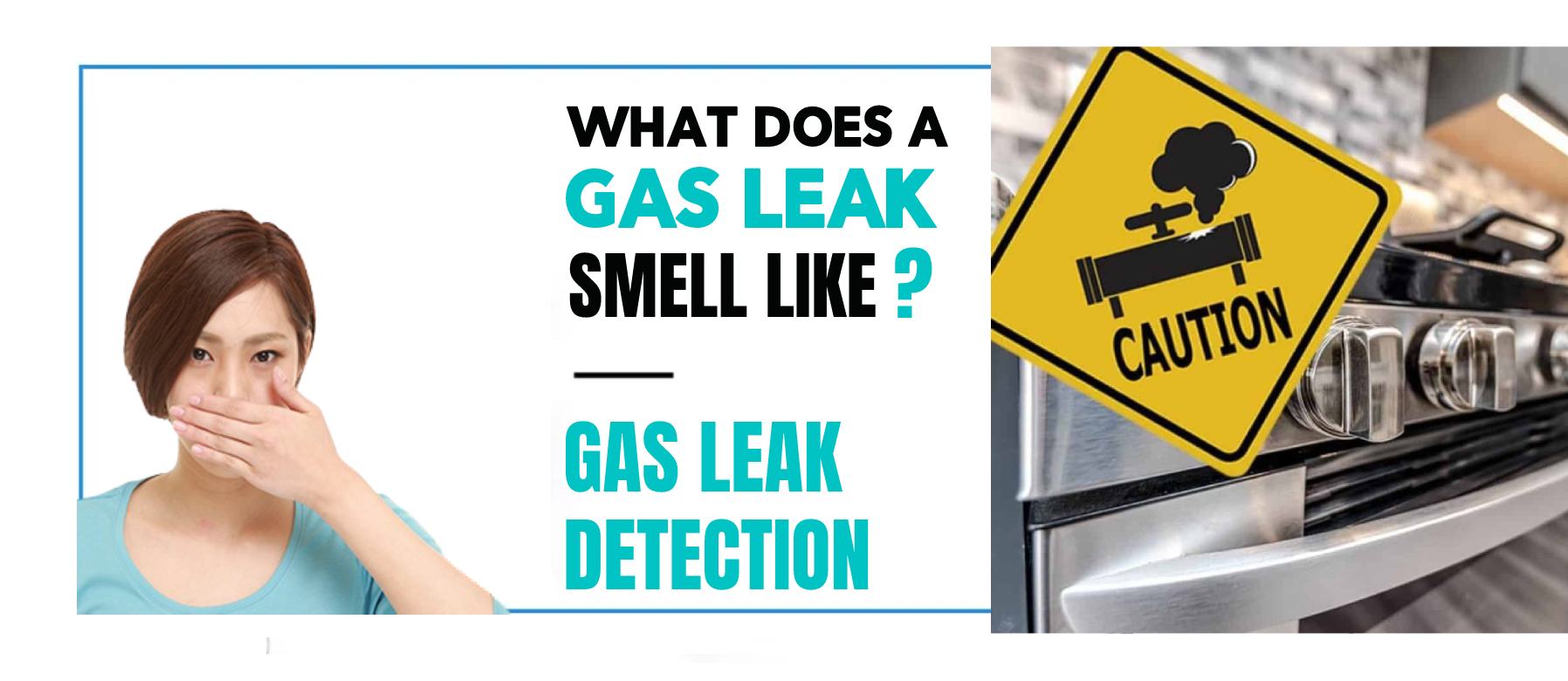
It typically smells like rotten eggs, sulfur, or burnt garlic Gases like natural gas and propane are fossil fuel energy sources that can efficiently power home appliances like furnaces, fireplaces, gas stoves and more. This distinct odor comes from a chemical called mercaptan, added to natural gas for safety reasons
What Does Gas Leak Smell Like at David Daigle blog
Recognizing this smell can be the first crucial step in preventing fires, explosions, or serious health hazards.
A gas leak occurs when natural gas, often methane, escapes from a pipe or gas line
Natural gas is a flammable substance that is commonly used in homes for heating, cooking, and hot water While the gas itself is odorless, gas companies add a distinctive rotten egg smell to it to make it easier to detect in case of a leak. Natural gas is odorless by nature, but gas companies add a chemical to give it a distinctive smell to alert you of gas leaks. How can i test for gas leaks at home
To detect a natural gas leak in your home, spread soapy water over the connections and joints Air bubbles and hissing sounds indicate a gas leak is present You can also employ a dedicated natural gas leak detector or monitor the flames of your gas stove for any anomalies to identify leaks. Fluorine smells like bleach, butane has a faint petroleum smell with added mercaptan, and helium is odorless