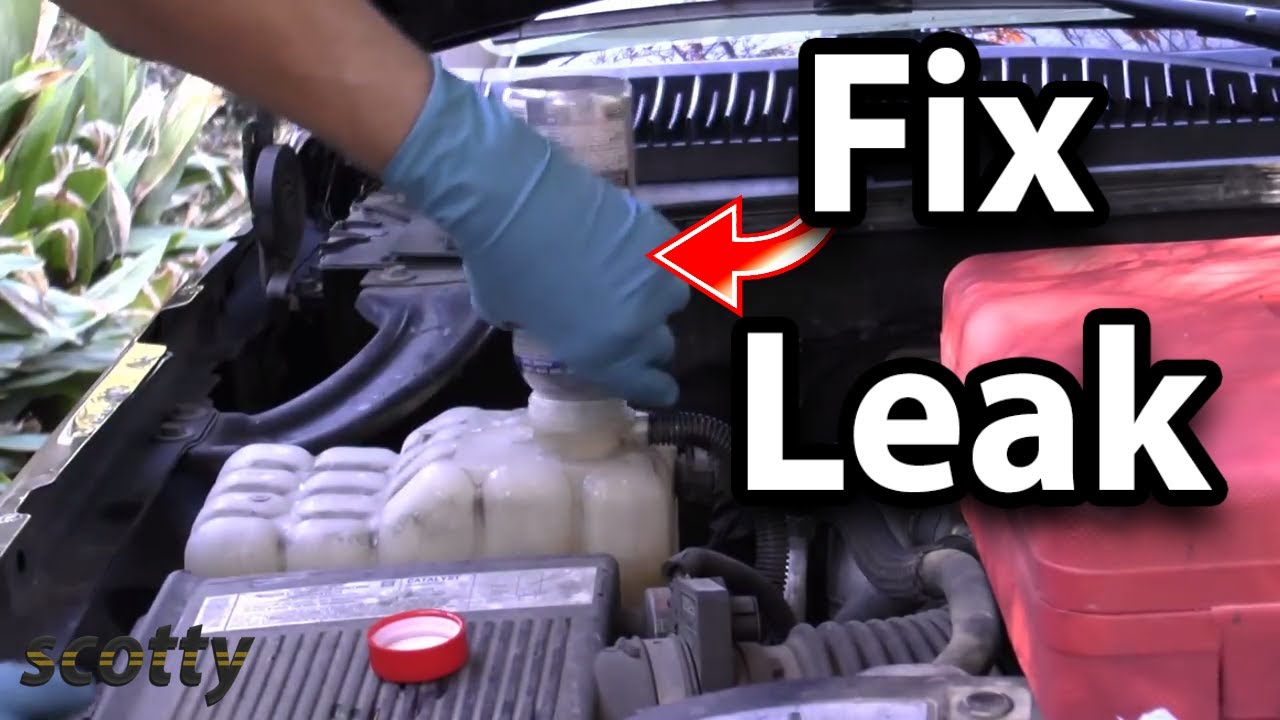
This guide shows simple checks and fixes to save your car and money. Ignoring a coolant leak can lead to costly repairs Understanding coolant leaks coolant is an essential fluid
radiator - Coolant/antifreeze leaking out of engine block (See photo
That is, if you do not have the right amount of fluid, you are asking for serious trouble that may include substantial engine damage
As such, you should routinely check your car’s coolant levels
If you regularly find that you are adding new fluid to your system, there is a good chance you have a coolant leak How to identify leaks by color how to use a car fluid color chart to identify leaks A comprehensive guide one common issue that every car owner may encounter at some point is fluid leaks Whether it’s oil, coolant, transmission fluid, or brake fluid, identifying leaks early can prevent major damage and costly repairs.
Learn to recognize engine oil, coolant, brake fluid, and more to keep your vehicle safe Discover the vital signs of coolant leaks and learn where they originate in your car with this informative article From worn hoses to faulty radiators, we discuss common leak sources, symptoms to watch for, and essential diagnostic methods Regular inspections, pressure testing, and proactive maintenance tips are highlighted to help prevent overheating and costly engine damage

Coolant leaks can cause engine overheating and damage
When you notice a pool of green or orange fluid under your car, it’s likely coolant This fluid is crucial for keeping your engine at the right temperature