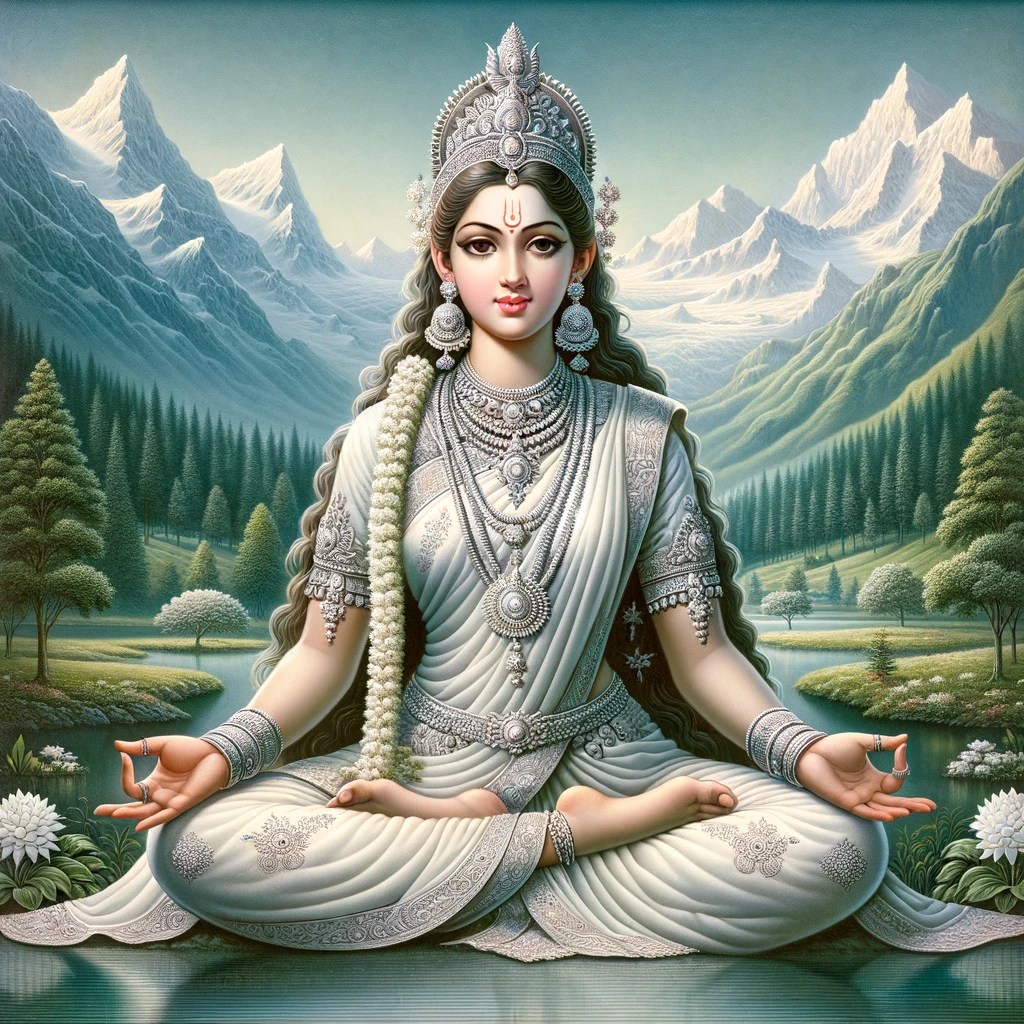
In the vedic period, she was assimilated into the hindu pantheon and so came to represent the female energy or sakti (power) of her husband shiva. For many hindus, however, devi's greatest strength is that she embodies all aspects of womanhood Devi is a sanskrit word, which means a goddess i.e., a female with supernatural powers
Brahma Dev: Divine Genesis Of Life And Lore - Bhagvathy
Goddess worship is very common in hinduism.
Devi, often referred to as the supreme goddess and the embodiment of shakti, holds a paramount position in hinduism
Shakti, meaning “power” or “energy,” is the dynamic force that animates the universe, and devi is its personification. Explore the various forms of devi, the goddess of strength, wisdom, and prosperity Learn about her symbolism, mythology, rituals, and significance in hindu spirituality and modern life. Devi is a sanskrit term meaning 'goddess' and represents the divine feminine in hinduism
It embodies the concept of shakti, the cosmic energy and power that fuels creation and sustains life. In the diverse and intricate world of hindu mythology, devi stands as a pivotal figure, a deity woven into the spiritual fabric of south asia with threads of power, grace, and mystique. In hinduism, the term ‘devi’ translates to ‘goddess,’ signifying the divine feminine force that underlies the universe Devi is not just a singular entity but represents a multitude of forms, each embodying different attributes and powers.