This article reviews what angelica root is, the differences between a Angelica flowers grow tall and may fall over in strong winds, but don’t require pruning Sinensis, how they're used, their benefits and downsides, and typical dosage.
Angelica sylvestris, Wild Angelica: identification, distribution, habitat
Angelica (angelica archangelica) is a traditional herb grown for centuries
Here's how to grow it in your garden.
Health benefits of angelica root and dong quai may include better wound healing, better circulatory health, reduced symptoms of menopause, and decreased anxiety Various forms of angelica can be used in culinary settings to flavor foods or beverages and possibly impart health benefits as well. Angelica root can be eaten raw for indigestion, taken as a tincture, or brewed into a tea, much like ginger root A tincture made from the root can also be used for treating respiratory disorders.
Angelica archangelica is an herb that grows up to 250 cm tall The root, seed, leaf, and fruit have been used historically in nordic folk medicine Angelica archangelica contains chemicals that. Angelica (angelica archangelica), also known as garden angelica or norwegian angelica, is an herbaceous biennial native to greenland and europe

It thrives in cooler climates and loves constantly moist soil conditions
All you’ll need to start is one angelica plant. Angelica, (genus angelica), genus of about 90 species of aromatic herbs of the family apiaceae native to the northern hemisphere A number of species are edible and have a long history of use in herbal medicine, particularly in china. Angelica (angelica archangelica) is a striking and aromatic biennial herb that brings both beauty and function to a mostly shaded garden
Angelica is a beautiful biennial herb that has been grown for centuries for its aromatic edible stems, medicinal roots, and large bold foliage This majestic plant can be propagated in a number of different ways and is easy to grow once you know how to get it started. At some point between may 31st and the upload of her video about onlyfans harming young girls, which was uploaded three days later on june 3rd, she took out the part about her possibly coming back in the future. Onlyfans is the social platform revolutionizing creator and fan connections

The site is inclusive of artists and content creators from all genres and allows them to monetize their content while developing authentic relationships with their fanbase.
We would like to show you a description here but the site won’t allow us. Uncover the latest buzz around angelica reed's onlyfans leak Explore the controversial incident, its impact, and the ensuing online frenzy Delve into the world of content creators and their battles with privacy
Make your link do more. The most notable of these is garden angelica (a Archangelica), which is commonly known simply as angelica Crystallized strips of young angelica stems and midribs are green in colour and are sold as decorative and flavoursome cake decoration material, but may also be enjoyed on their own.
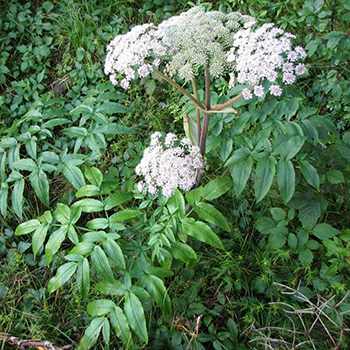
Angelica, a towering shrub with showy white flowers, is used to flavor your martini and for a wide variety of health issues
Angelica is a biennial shrub that grows well in northern climates All parts of this plant are edible. Angelica, a member of the apiaceae family, has long been cultivated for its edible stems and roots It has a commanding presence in the garden, sometimes reaching a towering eight feet in height
It has long, stout, hollow stems of green or purple, with bold, bright green leaflets that are finely toothed or serrated.
