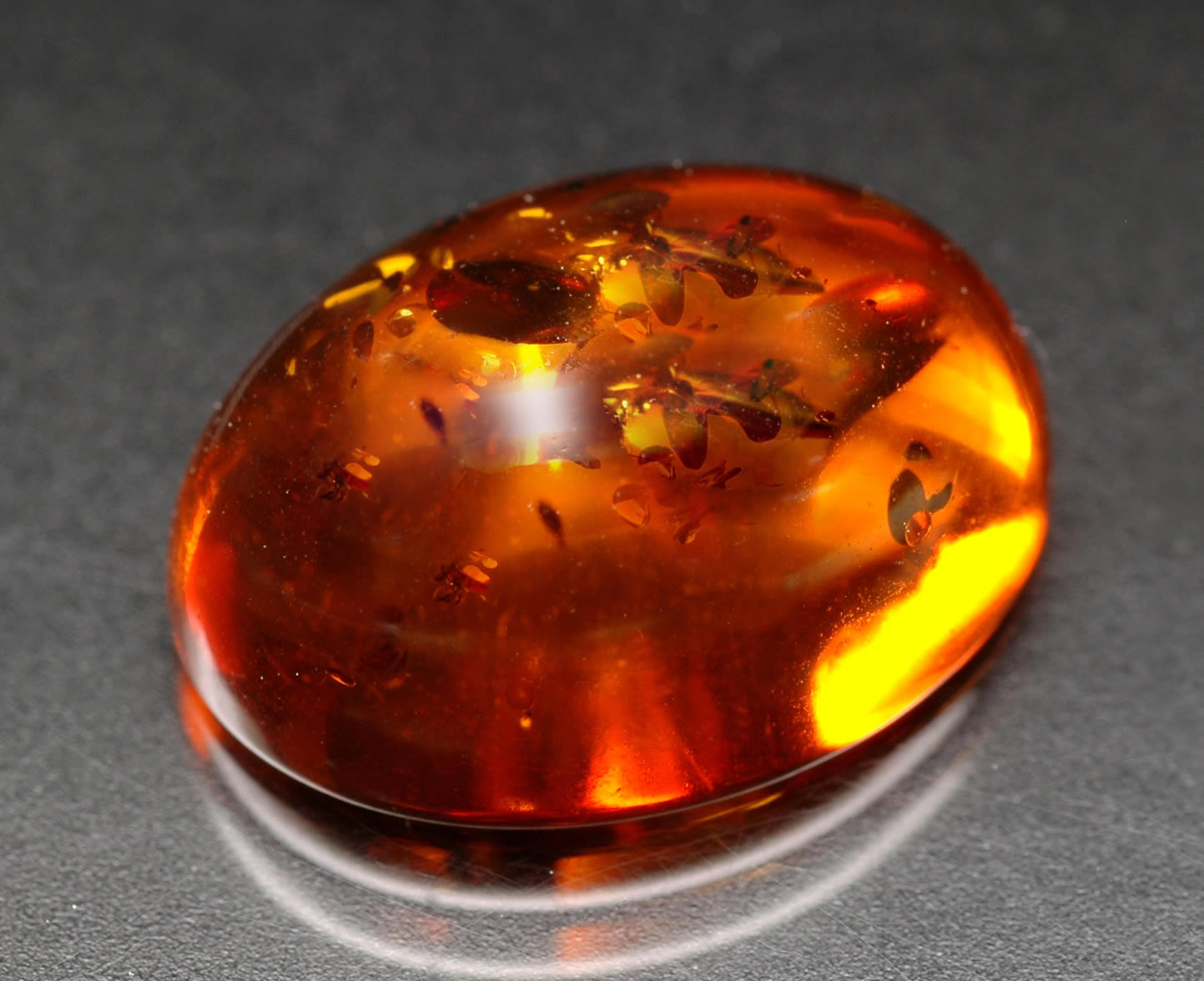
There are five classes of amber, defined on the basis of their chemical constituents Amber is not merely a gem, or even just a fossil—it is a testament to the incredible resilience of nature and the intricate dance of life across deep time Because it originates as a soft, sticky tree resin, amber sometimes contains animal and plant material as inclusions
Amber: Natural Organic Amber Gemstone & Jewelry Information; GemSelect
Amber, fossil tree resin that has achieved a stable state through loss of volatile constituents and chemical change after burial in the ground
Amber occurs as irregular nodules, rods, or droplike shapes in all shades of yellow with nuances of orange, brown, and, rarely, red.
Get familiar with the different types of amber and their amazing properties You'll see that their locations makes each of them distinct from one another. Amber isn’t just a beautiful golden gemstone—it’s a fascinating piece of ancient history Formed from fossilized tree resin, amber has captivated humans for centuries, not just for its beauty but also for its unique properties and uses.
The meaning of amber is a hard yellowish to brownish translucent fossil resin that takes a fine polish and is used chiefly in making ornamental objects (such as beads).